
Tanzania is building on many years of LSFF progress
Tanzania introduced mandatory fortification of salt in 1994. Wheat flour, maize flour, and oil followed in 2011.
Large-scale food fortification has been a pillar of the national nutrition strategy since the 1990s. Nutrition remains core to Tanzania’s national strategy for economic growth and welfare.
This is not about ticking regulatory boxes, it’s about ensuring every Tanzanian household, rural or urban, gets access to life-saving nutrients…Malnutrition robs our country of up to 11 percent of GDP, but nutrition investments offer powerful returns — from better school performance to a stronger workforce.
--Tanzanian Minister of Health, Jenista Mhagama, July 2025
In August 2026, the TZ Ministry of Health introduced new National Guidelines for the Implementation of Food Fortification [C], adding to the country's National Multi-Sectoral Nutrition Action Plan and 2024 Food Fortification Regulations. Tanzania's five year fortification roadmap can be referred to for government priorities that map to topics in the global LSFF investment roadmap used here.

What key investment areas will accelerate progress?
Identifying the levers that will unlock system change begins with understanding a few basics in the landscape
Four fortified staples in Tanzania
Start by mapping out the supply chains for the four major food staples that deliver nutrients to Tanzanian families. Each supply chain has different investment needs and reaches different populations
Maize Flour
Edible Oil
Wheat Flour
Salt
Total Population
Population Consuming
Population Consuming Industrially Produced
Population Consuming Fortified
iron, zinc, folic acid, B12
vitamin A
iron, zinc, folic acid, B12
iodine
Source: Global Fortification Data Exchange (2025)
What does the data show?
-
The grey circle is the total population of the country. The light blue circle indicates how many people in Tanzania consume this food. Maize flour and oil offer almost universal reach of households, and we assume every person in Tanzania consumes salt. Many fewer Tanzanians regularly include wheat flour in their diets. Although diets are shifting, wheat flour is currently consumed more by urban and higher-income households.
-
The next circle in (the medium blue), indicates how much of the population eats the food 'industrially produced.' This excludes, for instance, locally-pressed cooking oil, or when households grow their own maize and use a toll mill for maize flour. Maize, edible oil and salt all have significant production that is not "industrially produced." Tanzania has identified the importance of finding solutions for this side of the supply chain if rural lower-income households are to be reached with fortified food.
-
Finally, the darkest blue circle shows how much of the population eating industrially produced food is consuming fortified food.
-
These data provide an important overview, but they are challenging to collect and include a few limitations. For example, within the darkest blue circle of the population eating fortified food, there can be compliance challenges (see below) that result in inadequate delivery of nutrients. Also, the data capture sales of the basic commodity only, excluding ingredients used in prepared or processed food. If, for instance, we included pasta and bread, the numbers would likely reflect a larger population reached by wheat flour.
Maize flour
Food fortification can reach millions for just pennies per person per year. These 'per metric ton' costs are the ongoing additional costs incurred by a miller compared to production of unfortified food.
Even at low costs, getting more companies to fortify foods to standard may require investments by donors and governments - e.g. digitized data sharing, building better inspection services, advocacy, enforcement, lab and testing expansion.
These are investable opportunities that together will set the ground for very cost-effective delivery of critical micronutrients.
Palm oil

bringing 50% of non-compliant edible oil into compliance
11.6
million people reached
Even with mandatory fortification laws, many products still make it to market with sub-standard levels. Studies of marketed products are often limited and out of date, but the compliance numbers for Tanzania indicate a significant opportunity for improving quality control in fortified foods.
Finding out where the problem is in the system is critical. Addressing which lever will produce the biggest change? Are food producers using low-quality premix? Do practices at the mill need improving? Or is there significant degradation of fortificants in storage and transit?
Once a landscape analysis sheds light on the big levers, investments to tackle compliance can reach millions of families
compliant
% compliance among marketed products [7]

compliant
not compliant

compliant
not compliant
not fortified
Wheat flour

not compliant
not compliant
compliant
not fortified
over-fortified
Compliance is a challenge
Maize flour
Oil
Salt
Investment approach depends on market structure
In food commodities where production is dominated by a few large producers (rather than lots of small ones), building an effective national large-scale food fortification system is less costly and easier to deploy. Countries differ in the structure of their supply chains. For one country, wheat flour could be dominated by a few large producers (or imported), while for another country the supply chain could comprise thousands of small mills. We discuss below how countries have innovated to increase fortification in SME-dominated supply chains, but the structure of the supply chain always determines the path to success. Here, we give a snapshot of Tanzania's edible oil supply chain as an example.


Tanzania edible oil market

large
small
small
large
sunflower
palm
% of market supply [8]
90% of the edible oil consumed in TZ is either palm oil or sunflower oil
Large producers dominate the supply - about 2/3 of the market
When working to fortify a food where the supply is dominated by a few large producers, LSFF is more cost-effective.
Government
Spends less to inspect and enforce fortification laws compared to reaching many small mills
Large Mills
Have lower barriers to fortifying compared to smaller mills:
-
Easier to access imports - managing border processes and forex
-
lower costs to fortify per MT
-
Easier access to financing for capital and equipment
But the tradeoff is that if rural families are served by more informal markets and small mills, they may not have the same access to fortified foods as urban or higher-income families.
How can we better reach rural families with fortified food?
The rural market changes by country and commodity, but countries have focused on finding innovative solutions that integrate fortification into locally processed food and foods that are marketed in bulk. For example, the majority of oil that is consumed in Tanzania (especially in rural areas) is unprocessed and therefore ‘unfortifiable.’ This is where innovation is needed. There are plans over the medium to long term to build the capacity of small-scale sunflower oil producers to refine, fortify, and package their oil. For example, TASUPA’s collaboration with the government aimed at increasing access to affordable vitamin A and processing technologies for small-scale edible oil producers[9]. A country like Bangladesh has a large 'bulk' market where a cooking oil is produced by large companies, but the part of the supply that is sold in bulk (to be repackaged more locally in smaller packages for sale) is not fortified to the same extent. This market structure makes it hard to trace back from the market to the producer to check on compliance (e.g. in a market study). There are interesting packaging innovations being developed to make fortification more traceable through the bulk market.
The maize flour market in Tanzania is a good example of a market structure with tens of thousands of small producers.
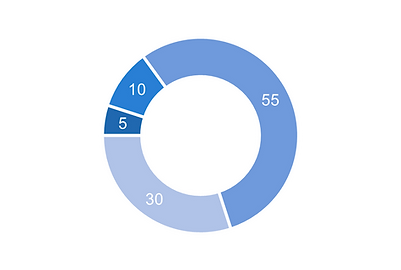
Large producers serve only about 5% of the market
Maize flour supply has the opposite structure to edible oil - ~65% is produced by small- and medium- sized mills
What's a micro/toll mill?
In rural areas, farmers and consumers bring their own maize and pay a fee (a "toll") to have it ground into flour. These aren't commercial mills that buy maize, process it and pack it for sale. They are a service-for-fee model.

micro/toll
small
medium
large
costs per MT to fortify maize flour, different sized mills [11]
These numbers can be shifted to make it cost-effective for small mills to fortify, but that requires innovations (technical, organizational, and regulatory). To increase compliance in value chains that have lots of small processors, different innovations are needed to support small millers and to find efficient ways for governments to enforce regulations. This has been a priority in Tanzania. See below for more information about supporting fortification among SMEs in Tanzania.
Investment opportunities

Digitizing QA/QC
Invest in track and trace digital tools to support companies' fortifying and lower the cost of gov't inspections
Better Market Surveys
Find lower cost ways to test fortified foods - providing better evidence to companies and policymakers
Improve Import Controls
Support governments to innovate solutions (like authorized supplier frameworks) to limit sub-standard premix import
Include Processed Foods
Design and test a program to understand consumption of micronutrients through ingredients in processed and prepared foods

There are catalytic investments that will allow more food with the right vitamins and minerals to reach more people. Some examples are here (from key stakeholders in Tanzania), and more can be found below linked to the investment roadmap.
Tanzania's focus on SMEs
In 2024, Tanzania brought in regulation extending the mandatory fortification beyond big companies - bringing small- and medium-sized producers of pre-packaged edible oil, salt, maize flour and wheat flour under the fortification mandate. Expanding the mandate required adaptation and innovation in regulatory systems and support for small millers. Thousands of smaller businesses needed to start fortifying and the government needed to cost-effectively expand their registration and inspection services.
The change in regulation had the largest impact on the maize flour supply chain. At the time of this report, Tanzania was working to provide information about how to comply with the new regulations to millers in 26 districts, deploying 490 current local Ministry of Industry and Trade staff to register approximately13,000[12] millers with the Tanzania Bureau of Standards (TBS). Use of existing government digital systems were planned, with limited costs incorporated into routine system upgrades and maintenance. Tanzania's Ministry of Industry and Trade has been training frontline officers who engage regularly with businesses, enabling them to effectively support fortification efforts. These officers, who already provide advisory support on areas such as marketing, access to raw materials, business management, and regulatory compliance, are now equipped to also guide businesses on fortification.
This work was intended to significantly change the rural families' consumption of fortified maize flour. The government's initial focus was on maize millers, but if priorities extend to small-scale edible oil producers, there are an estimated approximately 1,000 producers. In salt, the focus will likely remain on large salt processors and aggregators which already fell under previous mandatory regulations. Similarly, the wheat supply chain does not require new models for outreach to SMEs[13].
Sometimes national food fortification plans assume that consolidation is the path for an industry where the supply chain includes many SMEs, but that is not always the case. What works in the salt supply chain in Tanzania, for instance, will not necessarily translate to the maize supply chain. Innovating to include SME maize millers in fortification, several organizations (e.g. Sanku and GAIN) provide fortification equipment specifically tailored to smaller maize mills, some with digital compliance capabilities built into the equipment. Models of aggregated fortification are being implemented. Sanku has created innovative financing mechanisms and premix supply options to work with the cash flow and capital constraints of small maize millers. Enabling small oil producers to fortify presents additional challenges as producers shift to both refining and fortifying processes.
Critical areas of investment
Costs for equipment and premix can be a sizeable share of margin, usually can’t be passed on without a loss in market share, are especially high for smaller companies
SUCESS: lower costs for food producers, a level playing field between early adopters and competitors, and practical solutions for companies scaling up
3
1
PREMIX PROVIDERS
SUCCESS: tariffs reduced on premix, local supplies grow, transparency about quality increases, procurement of high quality premix enabled
SUCCESS: packaging innovations reduce degradation and improve traceability in bulk markets, and labeling paired with greater consumer awareness helps higher levels of fortification reach consumers
FOOD PRODUCER/MILL
Follow the links in the roadmap for a deeper-dive into our Tanzania case study.
Fortificants degrade during food storage and transport, bulk markets need packaging innovations, consumer awareness of fortification is low
Premix is expensive, not always easy to source, and it's hard to verify the quality
2
Policy and regulatory frameworks are outdated, government officials lack training on fortification, and public-private partnerships are under-used
Testing and inspection are expensive, lab capacity is limited, regulatory fees and services are not optimized
SUCCESS: best-in-class policymaking, training for government officials, clear advocacy, public-private engagement
4
GOVERNMENT
5
SUCCESS: innovate rapid testing, enable cost-effective lab capacity solutions, digitize inspection, and improve cost recovery
SUCCESS: public procurement through school feeding and social safety net programs becomes a dependable, lower-risk market for fortified food suppiers
Public procurement is under-used as a demand-pull that creates a dependable market for fortified food suppliers
7
Making quality premix more accessible and affordable
Premix is the largest portion of the cost increase when a mill starts to fortify food. For a large Tanzanian palm oil company, premix accounts for 97% of the direct costs of fortifying.
Through the public health lens, these costs are a small price to pay for the incredible gains in human health and economic growth for a country. Through the lens of an individual company, the increased costs can be a challenge. In order to continue to increase compliance and engage across public and private sectors, therefore, reducing the cost of fortification is an important goal.
Premix has already been exempted from import tariffs in Tanzania, but in many other countries this is an important solution to work toward. In TZ, VAT and other border taxes still add 21% to the cost of premix. At the time of this report, we heard that options to reduce or remove VAT on vitamin A were being explored. This was being prioritized as vitamin A is not locally produced and must be imported. In contrast, premix for flour is now produced locally in Tanzania and can be accessed at a subsidized cost through models such as SANKU's.
Small- and medium-sized millers may have additional hurdles - trouble accessing foreign exchange for imports or they may not benefit from bulk discounts. Investments in premix financing mechanisms and building up national premix suppliers can be important enablers of scale.
In addition to cost, premix quality remains a big challenge. The premix market contains non-compliant, cheaper premix for sale, often with lower levels of fortificants, or fewer fortificants than the law requires. Investments are needed to identify sub-standard premix suppliers and improve border controls.
Staff Salary & Maintenance
QA/QC
Taxes & Border Costs
Premix
Difference in ongoing costs for fortifying palm oil in large company in TZ, USD [14]
Investment opportunities
Investment opportunities
Reduce Premix Tariffs
Support advocacy to lower the cost of premix by waiving import duties

Increase Local Supply
Build capacity in local high-quality premix suppliers
Improve Import Controls
Reduce sub-standard premix imports through inspection & authorized supplier frameworks
Provide Financing
Invest in financial mechanisms enabling companies to manage premix expense
Premix Affordability and Availability
At the mill or refinery
This area of investments focuses on two goals: getting new companies to start fortifying
and also increasing compliance in companies already fortifying.
Getting new companies to start fortifying requires targeting interventions to the size of the company. For example, Tanzania currently is focused on expanding the number of SMEs producing fortified maize flour.
Investments in technical assistance, SME financing, building sources of appropriate equipment, and supporting access to forex will have impact. TZ Government estimates in 2025 indicated that 2500 SME millers producing packaged maize flour did not have dosifiers (fortification equipment) but some can access the equipment through the support of SANKU and other programs focused on ensuring SMEs are fortifying. In 2025, for medium-sized mills, which the TZ government defines as 50-99 employees, the cost of dosifiers varies, but was estimated to be around US$3,000. We heard about the need to scale access to appropriate fortification equipment to build on existing efforts like the Ministry of Health's annual procurement of dosifiers, SIDO's locally fabricated dossifier, and the SANKU model [15]. Additionally, innovations in rapid testing may help smaller and medium-sized mills improve quality control.
Increasing compliance in large companies which are already fortifying is a different set of investment opportunities. These companies are sophisticated food processors, with sophisticated internal quality assurance and quality control systems. One source noted that for large millers, "rapid testing is typically not a major constraint; instead, the key gap is the lack of quantitative analysis equipment in their laboratories, compounded by long turnaround times from local lab." Digitization advances can bring both operational efficiencies as well as lower the cost of compliance with regulations, but in larger mills, the digital systems specific to food fortification need to integrate with the digital systems already adopted across the company. Larger companies often find benefits in public-private coalitions where industry implications for regulations can be discussed as well as exploring priorities and practical solutions.
Investment opportunities
Investment opportunities
Rapid Testing
Dropping the cost of quality control and reducing transaction cost of regulations
Technical Assistance
Increasing efficiencies, lowering costs, and integrating fortification into production
Digital Solutions
Track and trace digital systems integrating fortification data into production processes
Public-Private Coalitions
Sharpening solutions that work for gov't and industry and informing policies and regulations
Focused on the food producer
In the market
Investing in how fortified products land in the market and are purchased by consumers is a critical part of building a high-impact large-scale food fortification system.
Companies need to change their labeling to comply with regulations or build brands for fortified foods. Labeling and marketing investments can often avoid misinformation. We found that in-country, government stakeholders and companies identified this as a critical lever, but the topic was given lower priority in global or international stakeholder conversations. One government representative noted the value of public information campaigns to increase awareness and counter misinformation about food fortification, "such as misbeliefs that it reduces male virility." He cited first-hand experience of encountering "many small producers who, despite having access to premix and a dosifier, had stopped fortifying their products as they argued that consumers were not interested in buying fortified food products."[16]
Investments in market surveillance data allow assessments of which populations have access to fortified foods as well as the compliance of individual brands. Often this data is collected in small, infrequent surveys without standard methodologies to enable aggregate analysis. Investment to ensure market testing is done regularly, could have an outsized impact on companies by providing regular verification of truth-in-labeling and whether the food was fortified to standard (compliance). This highlights a different use of rapid testing. Being able to quickly test retail products would drop the cost of market surveillance.
Because fortificants can degrade, packaging, transport and storage after production are critical areas of investment for companies (this can mean calculating costly overage amounts of premix to maintain compliance) and public interest - to ensure high quality fortificants are reaching consumers for maximum nutritional impact.
Lastly, in many countries, the commodities that are commonly fortified are ones characterized by large bulk market segments. Fortification compliance is often lower in the bulk market. Traceability back to the producer is limited and the there is no brand differentiation for consumers. There are interesting opportunities for investment in packaging and traceability to increase fortification in bulk markets.
Investment opportunities
Investment opportunities
Labeling and marketing
Investments in customer awareness around fortification can reduce misinformation
Reduce degradation
Innovate packaging, transport, storage to reduce degradation of fortificants
Bulk Markets
Innovate to increase fortification compliance in bulk markets for commodities
Market surveillance
Retail-level testing is a powerful, still under-used tool for compliance.
Between food producer and market
Public sector progress in scaling LSFF
From the companies that produce fortified foods, we now shift to look at the roles of the public sector. Just like our 'roadmap' we group the government's roles into four and consider each in the context of our Tanzania case study.
Policies and regulations: developing and updating fortification policies, training and raising awareness among policymakers, translating policies to regulations
Regulatory capacity: building regulatory capacity, including increasing the cost-effectiveness of inspection services, adopting innovations in testing, investing in improved labs, and leveling the playing field for non-compliance sanctions
Public data: beyond the data managed in inspections, there are other data layers essential to building a national system for LSFF, including consumption data (how are diets changing? who's eating what?), public health data (disease and nutrition outcomes for the population), market surveillance and quality compliance data (for the food available to consumers, which brands and which segments of the food supply are fortified to the levels required?)
Public procurement: enabling or enforcing the government purchase of fortified food through public procurement channels (like school feeding and social safety net programs) can create a stable source of demand to incentivize growth in suppliers of fortified commodities.
While all of the above work together, we heard repeatedly that the second is by far the biggest 'unlock.' Tanzania has a comprehensive set of policies and regulations, but enforcement of those regulations is the challenge. Dropping the cost of enforcement, innovating technologies to enable better enforcement, and increasing regulatory capacity in strategic ways was consistently cited as critical to progress.
Policies and regulations
In most low-income or emerging market countries, the enabling environment that governs how food is produced, marketed, imported and exported is under-resourced.
Even within the budgets allocated to regulate the food system for food safety and food quality, fortification isn't always a political priority.
One recurring challenge is that food fortification inherently involves many ministries in a country. For example, the ministries of health, industry/trade/commerce, agriculture, finance, social welfare can be involved, as well as the authority governing standards and food safety (sometimes a separate bureau). Tanzania created a National Multi-Sectoral Nutrition Action Plan in 2016 and has continued to improve the plan's operations and targets over the years. Key hurdles in the plan were operational - who makes decisions, where does the budget lie, and how do people work across different sides of the government.
Another challenge lies in keeping policies and regulations up-to-date. For example: mandated fortification levels may need to change based on changing public health and consumption data, the system may be expanded to include some SMEs (see Tanzania's policy changes in 2024), or it may need to adapt to changes in food imports/exports. A major consideration now, given the rise of processed food in diets, is how to manage fortification levels in the ingredients of packaged or processed foods.
In addition to national policies, regional harmonization of food fortification standards matters. Staple foods and premix cross borders. Within the East African Community, Tanzania has served as one of the region's leading implementers on this front, alongside Kenya and Uganda, including annual country-level gatherings and industry compliance database systems, as a model.
Investment opportunities
Investment opportunities

Train Policymakers
Update policymakers on food fortification, regulatory issues and public health wins
Update Policies
Prioritize key areas for updating policies using available evidence and framing the tradeoffs
Build Cross-Ministerial
Bring operational best-practices from countries successful in managing across ministries
Engage in Advocacy
Innovate how to bring stories, evidence and practical know-how to policymakers
Policies and regulations
The Tanzania Bureau of Standards (TBS) operates national food testing laboratories that analyze food samples for product registration, certification, and compliance with food standards, including fortification standards.
Lab capacity and system operations. Best practices have been developed over the years to support countries seeking to improve the cost-effectiveness of their laboratory system to serve the many regulatory roles it must play (including food safety and fortification compliance). These studies often include analysis of workflows (sometimes across public and private labs), talent, equipment, optimizing costs and revenues (from fines and fees), and more. Out of this work, countries can identify potential priorities for new capital investments. In 2025 interviews for this report, two new laboratories were under construction in Tanzania, with five more planned for the future. Our interviews noted, however, a current identified shortfall in micronutrient analysis capacity that will require both upskilling current laboratory staff as well as expanding infrastructure through new laboratories.
Digital track and trace. Tanzania has built a digital system for tracking inspections and fortification data based on the common open source software that the Ministry of Health uses (DHIS2). The ongoing costs of this are minimal (less than $5k per year). Similarly, a planned system upgrade is less than $20k. This system has the capacity to integrate rapid testing interfaces (like BioAnalyt's i-check machines at large mills) and mobile data collection tablets to capture mill/retail data.
outreach about new regulations
establishing licensing systems
processing applications
implementing inspections/audits
sanctioning non-compliance
Building regulatory capacity
Tanzania - scaling up inspection services
As of 2025 when this research was done, Tanzania was planning to expand enforcement of their mandatory regulations to 13,000 small-scale millers in the maize flour supply chain. The policy passed in 2024 included SMEs producing pre-packaged products across all fortified food supplies (salt, wheat flour, maize flour and cooking oil), but maize flour is the supply chain that has the largest percentage of supply coming from SMEs.
As of 2026, Tanzania has developed the 2026 National Guidelines for the Implementation of Food Fortification, providing a framework to processors for meeting fortification standards, and the Tanzania Bureau of Standards has extended its mandate to Ministry of Health and other key ministries to support the execution of its functions at national level, including inspection.
To do this efficiently, the government expressed plans to leverage large numbers of existing local staff, including ~480 nutrition officers 12,000+ community health workers [B]. Many of the maize mills first need to made aware of the new regulations, then brought into the regulatory system through licensing. As of 2025, an estimated 2,500 small millers had business licenses and were either in the process of or yet to begin registration with the Tanzania Bureau of Standards (TBS). The plan was that within five years, all 13,000 small-scale millers would have licenses and support to complete TBS registration. In addition, starting to fortify will require equipment access, technical know-how, access to premix and access to finance.
For each step, innovative models will be needed to reach SMEs.
Reduce Premix Tariffs
Support advocacy to lower the cost of premix by waiving import duties
Improve Import Controls
Limit sub-standard premix imports through better inspection and authorized supplier frameworks
Increase Local Supply
Build capacity in local high-quality suppliers
Provide Financing
Invest in revolving loan funds or financial mechanisms allowing companies to manage premix expense
Investment opportunities
Investment opportunities
Rapid testing
Lower the cost of inspections and enable digitization
Digital track and trace
Digitize fortification processes in companies and link to government compliance
Improve operations
Identify cross-system operational efficiencies and priorities for building capacity
Public-private
Create action-oriented dialogue to match priorities of both public and private sectros
Building regulatory capacity
Data and evidence
Evidence necessary for standing up an efficient and effective large-scale food fortification comes from different sources. Market surveillance surveys indicate compliance levels for products and market reach. Household consumption and expenditure surveys track dietary changes and nutrient-intake trends. Specific micronutrient deficiency data often comes from sub-national surveys or bio-marker studies. Added to these data are often estimates from private sector data sources. The quality of the data is an issue as well as the challenge of building an integrated system that supports decision-making.
At the heart of the evidence in Tanzania lies the Demographic and Health Surveys Program. This has been central to tracking nutritional outcomes - both informing policymaking and showing the success of nutritional interventions. At the time of writing this report, USAID co-funding and provision of technical support for these surveys had been withdrawn.
We are in an era where we can build innovative models for collecting and analyzing data in cost-efficient ways. There is also a need for more data on packaged and processed food integrated into food fortification frameworks. ATNi's Tanzania Report 2025 studied 21 of the largest companies producing packaged food and beverages in Tanzania. 14% of the products assessed were fortified.
Investment opportunities
Investment opportunities
MND tracking
Cost-effective ways to track and model population micronutrient deficiencies
Changing diets
Improved evidence base mapping changing diets to micronutrient consumption
Market surveillance
Replicable methods for market surveillance can inform compliance and market reach questions
Packaged food
Improved data on fortification of ingredients in packaged foods
Data and evidence
Public procurement
In some countries, government mandates to switch public procurement to fortified food can create a large, predictable demand and encourage suppliers. The Government of India, for instance, has mandated fortified rice in key public food schemes as a national policy to tackle anaemia and micronutrient deficiencies.
In many African countries, school feeding and social safety net programs do not involve public procurement of food products. But there are still opportunities to create a predictable demand-pull to kickstart supply. Tanzania’s safety net, the Productive Social Safety Net (PSSN) implemented via the Tanzania Social Action Fund (TASAF), provides cash transfers and public works, not routine food rations. School feeding programs in Tanzania are also not supplied by government-purchased food products (procurement for these programs is often from local suppliers with decisions made by schools and parents). The absence of a centralized, publicly-funded procurement system makes it difficult to monitor and enforce fortification standards, particularly where food is sourced from multiple suppliers and lacks standardization across regions and schools. NGOs have been instrumental in innovating toward replicable, scalable models to integrate fortified food into school meals in places where governments do not have the same levers of public food procurement. But we heard that continuing reforms to public procurement of school meals offer high potential for enabling more effective implementation and enforcement. Tanzania has taken concrete regulatory steps to advance fortification in school feeding. As of 2026, Tanzania's guidelines require all fortifiable staples to be fortified. This requirement is also reflected in public procurement and tendering processes for firms supplying these staples to schools [17].
Investment opportunities
Investment opportunities
Policies for Procurement
Sharing best practices in how public procurement policy can integrate fortified food
Social safety nets
Linking public procurement or cash transfers to fortified food in social safety nets
Innovative School Feeding
Scalable models for schools and parents to bring fortified food supply to children
Outcomes-based financing
Results-based financial mechanisms based on gov't increasing demand for fortified food